Most people think Egypt means rushing from pyramid to pyramid with crowds of tourists. But here’s what they miss: Aswan exists as the complete opposite of that chaos. This southern city moves at its own peaceful pace while still delivering serious history and culture.
Aswan sits on the Nile’s most beautiful stretch. Islands dot the river, palm trees sway in the breeze, and the desert comes right up to the water’s edge. You won’t find the noise and traffic of Cairo here. Instead, you get a relaxing holiday in Egypt that doesn’t skimp on the good stuff.
Travel Egypt Now can show you why Aswan deserves more than a quick stopover. This place lets you actually breathe while soaking up thousands of years of history. For travelers who want meaningful, slow-paced discovery, aswan tours egypt offer the perfect balance between culture and comfort. Let’s break down what makes Aswan special for Egyptian cultural travel without the stress.
The Nile Looks Better Here
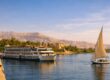
The Nile flows through Aswan with a calmness you don’t see up north. Clear blue water reflects the sky. Rocky outcrops and small islands break up the river. Feluccas (traditional sailboats) glide past without motors or noise.
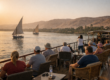
Sitting by the river feels therapeutic. Watch the sunset paint everything orange and pink. The palm-lined banks create perfect shade during hot afternoons. Hotels and cafes face the water, so you can enjoy the view while sipping tea.
This isn’t just scenery. The river defines daily life here. Locals use boats like taxis. Fishermen still cast nets the old way. You’ll see more nature and less concrete than in other Egyptian cities.
Nubian Culture Adds Colour and Life
Nubians are the indigenous people of this region. Their villages spread along the riverbanks with houses painted bright blue, yellow, and orange. Walking through these neighbourhoods feels like stepping into a different country.
Nubian hospitality is legendary. Families welcome visitors into their homes for tea and conversation. You’ll see traditional architecture with domed roofs designed to stay cool. Handicrafts include colourful baskets, jewellery, and pottery.
The Nubian Museum in Aswan tells its complete story. Displays show how they lived before Lake Nasser flooded their original lands. Their language, music, and customs survived despite significant changes. This adds a layer to Egyptian cultural travel that you won’t find elsewhere.
Nubian restaurants serve dishes you haven’t tried yet. The spices differ from typical Egyptian food. Try their grilled fish fresh from the Nile. The flavours and cooking methods go back generations.
Ancient Sites Without the Crowds
Aswan has genuine historical treasures, minus the masses of tourists. Philae Temple sits on Agilkia Island. You need a quick boat ride to get there, which already makes it more interesting than just walking up to a monument.
The temple honours Isis, one of Egypt’s most important goddesses. Columns covered in hieroglyphics still stand tall. The island setting creates an atmosphere that bigger temples can’t match. Water surrounds you on every side. Birds fly overhead. It feels peaceful rather than overwhelming.
The Unfinished Obelisk lies in an ancient granite quarry. Workers abandoned it when cracks appeared in the stone. But seeing it teaches you exactly how ancient Egyptians carved these massive monuments. You can touch the stone and see its tool marks. It’s hands-on history.
The Temple of Kom Ombo sits north of Aswan. It’s unique because it honours two gods instead of one. The symmetrical design splits everything down the middle. Crocodile mummies sit in a small museum there because crocodiles were sacred to one of the gods.
These sites let you take your time. No pushing through crowds. No rush to see everything in two hours. This is what makes a relaxing holiday in Egypt actually relaxing.
Elephantine Island Offers Escape
Right in the middle of the Nile sits Elephantine Island. Ferries run constantly from the city. The ride takes five minutes and costs next to nothing.
The island holds Nubian villages, ancient ruins, and the Aswan Museum. Walking paths wind between houses and palm groves. Kids play in the streets. Donkeys carry loads. Life happens at a slower speed here.
The ruins date back thousands of years. Elephantine was a frontier town marking Egypt’s southern border. You’ll find temple remains, a nilometer (used to measure flood levels), and old settlements. Archaeologists still dig here.
The best part? You can explore without a guide if you want. Wander at your own pace. Sit under a tree. Watch the river flow by. This little island gives you space to just exist without an agenda.
Botanical Gardens Provide Green Peace
Kitchener’s Island is entirely a botanical garden. Lord Kitchener received the island as a gift and turned it into a plant collection. Trees and flowers from across Africa and Asia grow here.
Walking the shaded paths feels like a reward after visiting dusty archaeological sites. Birds nest in the trees. Butterflies float around. Benches let you sit and do absolutely nothing for a while.
The gardens aren’t massive. You can see everything in an hour. But that’s enough to reset your brain. Sometimes Egyptian cultural travel needs these quiet moments between temples and tombs.
Felucca Sailing Slows Time Down
Feluccas are wooden sailboats that have worked the Nile for centuries. No motor means no noise. Just wind filling the sail and water lapping against the hull.
You can hire a felucca for an hour, an afternoon, or even overnight trips. Captains navigate using wind and current. You’ll drift past islands, villages, and desert landscapes. The pace is gentle. Perfect for watching sunsets.
Multi-day felucca trips sail from Aswan to Edfu or Kom Ombo. You sleep on deck under the stars. Crew members cook meals on board. It’s basic but incredible. Nothing schedules you or rushes you. This defines what a relaxing holiday in Egypt should feel like.
Even short rides give you a different perspective on the Nile. From the water, you see how the river creates life in the desert. Green banks drop off sharply to sand. Birds fish in the shallows. Modern life feels distant out there.
The Souq Lets You Browse Without Pressure
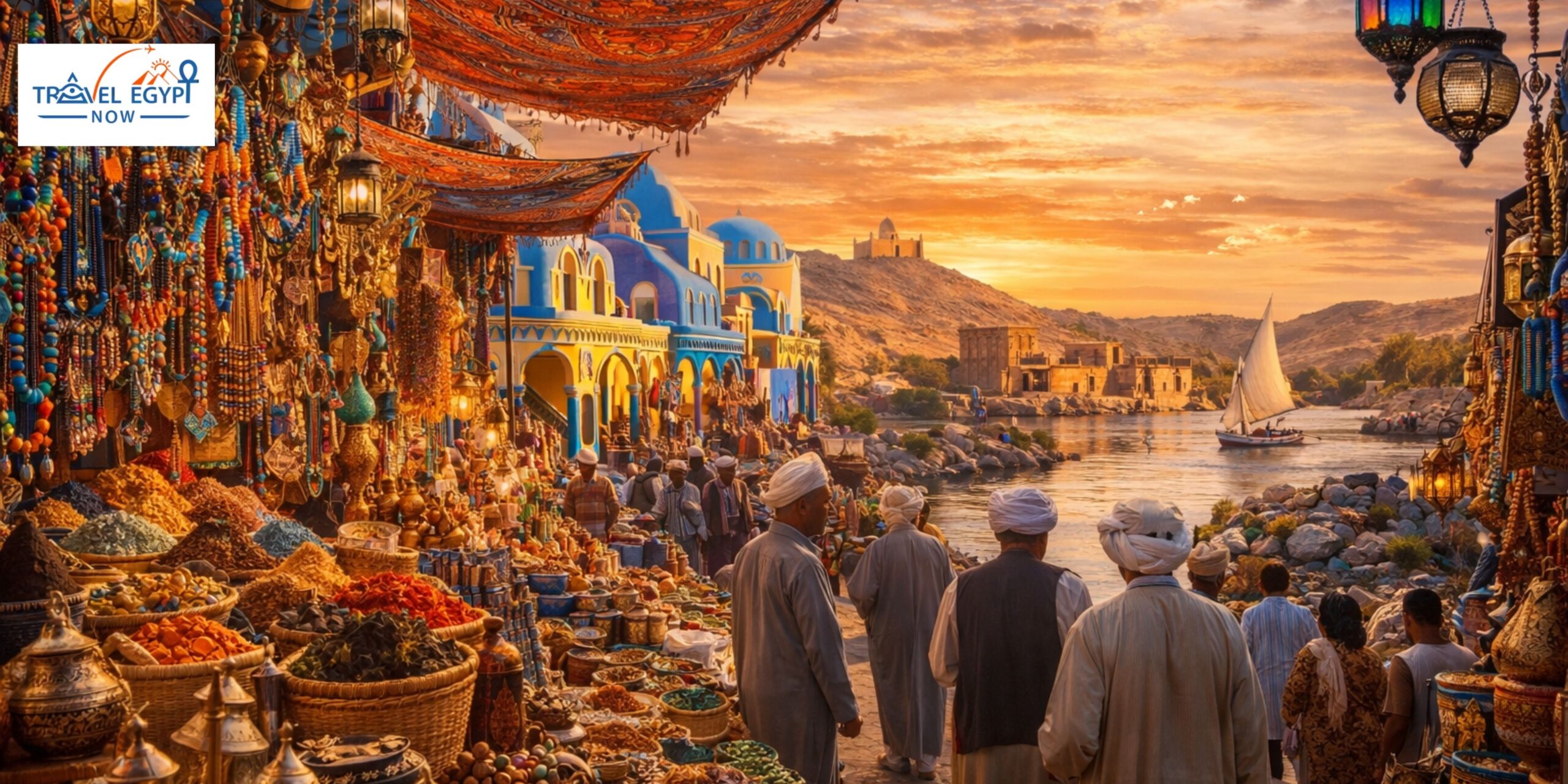
Aswan’s market spreads through covered streets near the river. Shops sell spices, textiles, jewellery, and souvenirs. The vibe stays more chill than Cairo’s crazy markets.
Vendors still try to sell you stuff, but it’s less aggressive. You can actually browse and think. Bargaining happens, but stays friendly. Prices start lower than tourist markets up north.
Look for Nubian handicrafts here. Baskets woven from palm leaves. Silver jewellery with traditional designs. Natural perfumes and oils. These make better souvenirs than mass-produced pyramids.
The spice section smells amazing. Saffron, cumin, hibiscus, and dozens more fill bags and baskets. Tea shops offer free samples. Take your time wandering. Stop for fresh juice or coffee when your feet need rest.
Easy Access to Abu Simbel
Abu Simbel sits 3 hours south of Aswan. Those massive temples carved from the mountainside rank among Egypt’s most impressive monuments. Four giant statues of Ramses II guard the entrance. Each one towers 20 meters high.
Day trips leave early from Aswan. You’ll be back by afternoon. Some people fly, which cuts travel time but costs more. Either way, seeing Abu Simbel counts as essential Egyptian cultural travel.
The temples were moved in the 1960s when Lake Nasser was being created. UNESCO cut everything into blocks and rebuilt it on higher ground. The engineering involved was nuts. You’d never know it wasn’t the original location.
Twice yearly, sunlight penetrates deep inside to illuminate statues in the back chamber. Ancient architects designed this alignment on purpose. Even if you miss those dates, the temples still blow your mind.
Lake Nasser Offers Real Wilderness
Lake Nasser was formed behind the Aswan High Dam. It’s one of the world’s largest man-made lakes, stretching into Sudan. The water looks blue against the red desert mountains.
Boat cruises sail the lake for multiple days. These aren’t the crowded Nile cruises you’ve heard about. Lake Nasser cruises carry fewer passengers and visit remote temples that most tourists never see. You’ll spot crocodiles, herons, and eagles.
Fishing here is supposed to be excellent. The Nile perch grows huge in these waters. Some lodges offer fishing trips if that’s your thing.
The lake itself provides cooling breezes and beautiful views. Standing on the high dam gives you perspective on the engineering feat that tamed the Nile’s floods.
Perfect Weather (Half the Year)
Aswan gets hot. It’s really hot in summer. But from November through March, the weather stays nearly perfect. Warm days, cool nights, almost zero rain.
This is the peak season for a relaxing holiday in Egypt. You can sit outside comfortably. Temple visits don’t turn into endurance tests. Evening walks along the Corniche feel pleasant.
Even in winter, you’ll want sunscreen and a hat during midday. But mornings and afternoons stay comfortable for exploring. The dry heat doesn’t feel as oppressive as humid climates.
Spring and fall work too if you handle heat reasonably well. Just avoid June through August unless you enjoy cooking.
Hotels Face the Nile
Many Aswan hotels sit right on the riverbank. Opening your curtains to that view starts the day right. Breakfast on a terrace overlooking the water beats any alarm clock.
Options range from budget to luxury. The Old Cataract Hotel looks like something from an old movie. Agatha Christie wrote part of “Death on the Nile” there. Even if you don’t stay, stop for tea on the terrace.
Smaller hotels and guesthouses offer more character and lower prices. Many include rooftop areas where you can relax in the evening. Some hotels arrange boat trips and tours directly.
Location matters. Stay near the river or close to the souq for easy walking. Aswan isn’t huge, so most places sit within reach of the main attractions.
Getting Around Stays Simple
Aswan is walkable. The Corniche stretches along the river with most hotels and restaurants nearby. The souq can be easily reached on foot. You won’t spend half your day in traffic.
Ferries to the islands run constantly and cost almost nothing. Wave one down and hop on. Locals use them like buses. It’s part of the experience.
Taxis work for longer distances. Agree on the price before getting in. Uber doesn’t really operate here. Some hotels arrange private cars if you prefer.
The train station connects Luxor and Cairo. Overnight trains let you sleep while travelling. It saves hotel money and maximises daytime for activities.
Travel to Egypt Now for the Best Experience
Aswan shows you that Egyptian cultural travel doesn’t require constant rushing. You can see amazing historical sites and still have time to relax by the river with a book. The combination rarely exists in popular tourist destinations.
This city respects your need for both culture and calm. Morning temple visits. Afternoon sailing. Evening walks through colorful neighborhoods. Nothing feels forced or frantic.
A relaxing holiday in Egypt sounds like an oxymoron until you experience Aswan. The pace matches the flowing river. History surrounds you, but so does natural beauty and genuine local life.
Plan at least three days here. Four or five days lets you really settle in. Include Aswan in your Egypt travel guide planning. It provides balance against the intensity of Cairo or the archaeological overload of Luxor.
The Nile flows north from here toward the Mediterranean. But something about this southern stretch feels more authentic, more connected to what the river has always meant to Egypt. That’s why Aswan works for travellers who want substance without stress.