
When you plan your Egypt Luxor tours, one place always stands at the top of the list. Luxor Temple holds history, architecture, and stories that you cannot fully understand until you walk through its massive gates. If it’s your first time exploring Egypt, Travel Egypt Now will likely guide you toward the sites that matter. Luxor Temple is one of those places that stays with you long after you leave.
Here’s the thing. Many travellers think they already know what ancient temples look like. But Luxor Temple is different. It feels alive. It carries thousands of years of activity, worship, rebuilding, and meaning in every stone. That’s what makes a Luxor Temple tour an essential part of the best tours of Egypt.
Let’s break it down so you know precisely why this temple stands out and how it fits into the larger journey across Luxor.
What Makes a Luxor Temple Tour Unique on Egypt Luxor Tours
Luxor Temple is one of the most preserved and complete temples from ancient Egypt. Unlike many ruins that need imagination to fill gaps, this temple shows its history clearly. You can see layers of pharaohs, rulers, and cultures carved into the walls.
A few things make this site special:
- It was built for royal ceremonies.
- It played a key part in the Opet Festival, one of Egypt’s grand celebrations.
- Multiple rulers added new sections, leaving their marks through time.
- It sits right in the heart of modern Luxor, blending past and present.
So when you walk through the temple, you’re not only exploring history. You’re tracing the path of pharaohs, priests, and armies who once used the same corridors.
This is why nearly all Egypt Luxor tours include it as a central stop.
The History Behind Luxor Temple Tour Routes
Every Luxor Temple tour follows a timeline that begins around 1400 BCE. The pharaoh Amenhotep III began construction. Ramses II later expanded it with statues, pylons, and courtyards. Alexander the Great, Roman leaders, and other rulers also added touches.
Your tour guide may point out three key eras:
1. The New Kingdom
This is the original construction phase. You’ll see:
- tall columns
- long courtyards
- statues of gods and pharaohs
- inscriptions showing festivals and rituals
2. The Ramesside Period
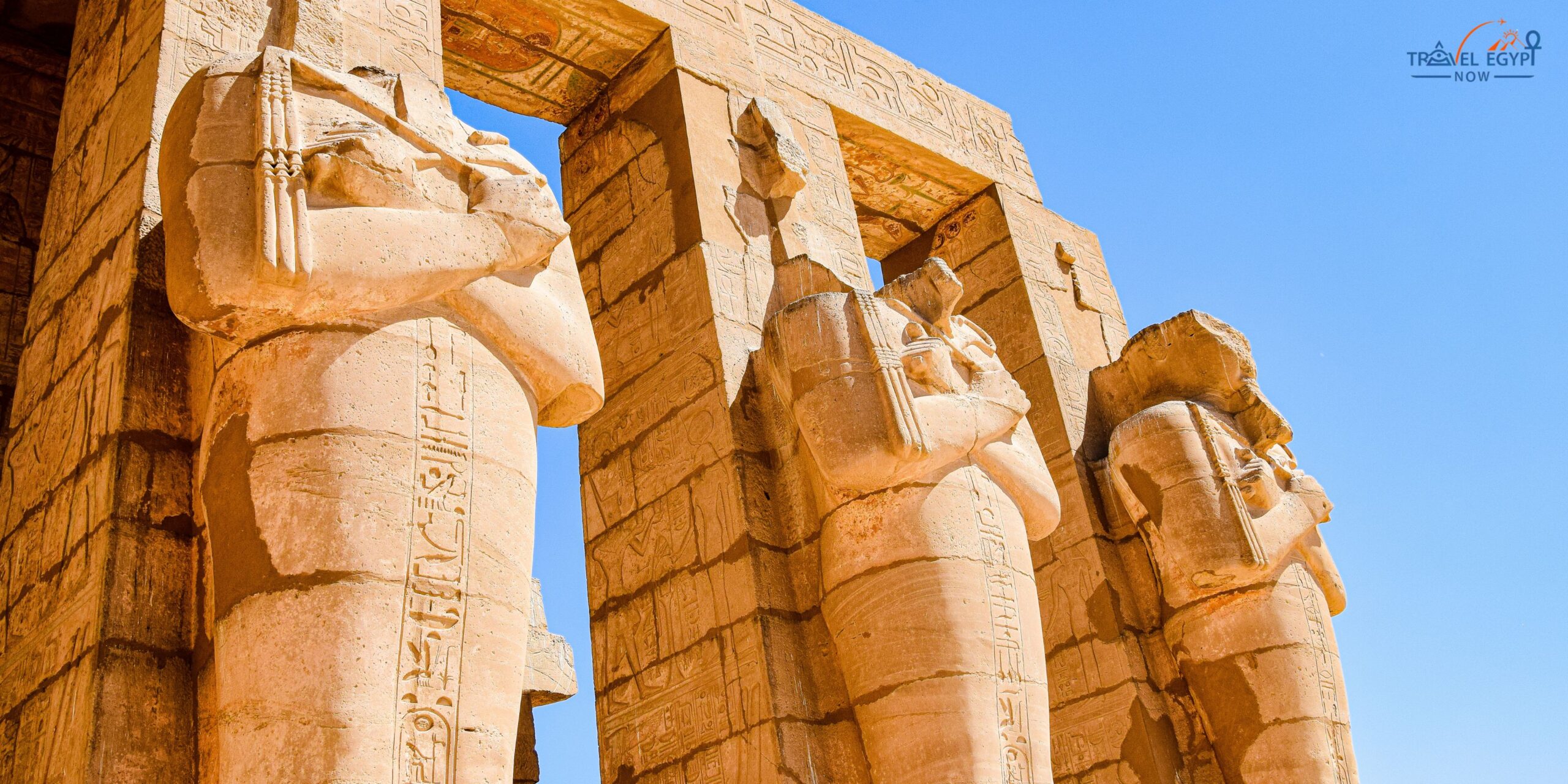
Ramses II added his famous colossal statues and new walls. These are some of the most photographed spots in the temple.
3. The Roman and Later Periods
The Romans turned part of the temple into a church. Eventually, Muslims built a mosque right inside one of the courtyards. That mosque still stands today.
What this really means is that the temple holds more than ancient Egyptian culture. It reflects centuries of living history.
Architectural Highlights You See on Luxor Temple Tours
A strong reason why the temple stands out in the best tours of Egypt is the structure itself. It is enormous, but also detailed.
During your Luxor Temple tour, you’ll see:
The First Pylon
Two large towers with carvings showing Ramses II’s battles.
Colossal Statues
Six original statues once stood here. Some have been restored. Each piece shows the power of the pharaoh.
The Courtyard of Ramses II
This space gives you a clear idea of ancient ceremonial gatherings. Columns and statues line the area.
Hypostyle Hall
Forest-like pillars rise around you. Many visitors say this is their favourite part.
The Sanctuary
The holiest space in the temple where rituals took place.
The Abu Haggag Mosque
Built on top of a portion of the temple. This shows how history and faith are carried forward through time.
Every section explains something new about life in ancient Luxor.
Why Luxor Temple Feels Different at Night
Many travellers choose an evening Luxor Temple tour. Nighttime changes everything. The temple glows under smooth golden lights. Shadows highlight details you might miss during the day.
At night:
- carvings appear sharper
- Courtyards feel more dramatic
- columns glow with soft light
- The temperature is cooler
- The atmosphere becomes calm and quiet
If your Egypt Luxor tours include both day and night visits, you’ll understand how different the two experiences feel.
How Luxor Temple Fits Into the Best Tours of Egypt
Most of the best tours of Egypt include the Luxor Temple because it connects directly to other significant sites. Ancient Egyptians once used the Avenue of Sphinxes to walk between Luxor Temple and Karnak Temple. That avenue stretched for almost three kilometres.
Today, you can walk parts of it. Many tours include both temples on the same day, giving you a complete understanding of religious life in ancient Egypt.
Luxor Temple also connects to:
- The Valley of the Kings
- The Valley of the Queens
- Hatshepsut Temple
- Colossi of Memnon
But nothing replaces the feeling of entering Luxor Temple itself. It holds an exceptional balance of size, detail, and atmosphere.
Why Travellers Choose Luxor, Egypt Hot Air Balloon Trips With Their Tours
A Luxor, Egypt hot air balloon ride often pairs well with a Luxor Temple tour. You see the entire city from the air. You also see the Nile, the riverbanks, and the outline of temples from above.
People choose a balloon ride because:
- Sunrise light makes Luxor glow
- You get a full view of the ancient and modern parts of the city
- You understand how temples and tombs align with the landscape
It’s not part of the temple tour itself, but it adds context. You understand how large Thebes (ancient Luxor) really was. You also see why the temples were built where they stand today.
This combination is what makes the Egypt Luxor tours complete.
Practical Tips to Make Your Luxor Temple Tour Better
Here’s advice to help you enjoy the experience fully.
Start early
Morning light is soft and pleasant. Crowds are lighter, too.
Bring water
The temple area is vast. You’ll walk through several courtyards.
Wear comfortable shoes
Stone paths and uneven surfaces are common.
Read carvings slowly
You find stories hidden in small details.
Combine your tour with Karnak.
The connection between the two temples feels clearer when you visit them together.
Take your time
Don’t rush. The temple is best explored slowly.
How Travel Egypt Now Adds Value
Travel Egypt Now often includes helpful details like local context, timing, and best spots for viewing. Many tours also include combined itineraries that pair Luxor Temple with sunset felucca rides, balloon trips, or Karnak Temple visits.
Including Luxor Temple is not optional. It is one of the central stops on Egypt Luxor tours because the temple explains how ancient Egyptians lived, prayed, celebrated, and honoured their rulers.
What You Learn on a Luxor Temple Tour
A strong part of the experience is learning how ancient Egyptian society worked. During the tour, you understand:
- How Pharaohs used temples to show power
- The meaning of the Opet Festival
- How rulers changed the temple over time
- Why was Luxor once the capital of Egypt
- the blend of Egyptian, Greek, Roman, and Islamic influences
You walk away with a clearer picture of ancient life.
Why Luxor Temple Should Be on Your First Trip to Egypt
If you’re planning your first trip, here’s why you should not skip the temple.
- It explains ancient Egypt’s political and religious structure.
- It connects to other major sites.
- It’s easy to reach the centre of Luxor.
- It feels powerful through size and detail.
- It shows thousands of years of history in one place.
This is why so many travellers consider it one of the best tours of Egypt.
Conclusion
Luxor Temple is more than a historic site. It is a living monument that ties together pharaohs, festivals, conquerors, and modern life. Travel Egypt Now often places this temple at the centre of Egypt, Luxor tours, because it explains so much about how people once lived and ruled here. If you want to understand ancient Egypt clearly, a Luxor Temple tour is essential. It brings history into focus and gives meaning to the rest of your journey across Egypt.
FAQs About Luxor Temple Tour and Egypt Luxor Tours
Below are the unique, most-searched questions. Each question and answer includes the required keywords naturally.
1. Is a Luxor Temple tour included in most Egypt Luxor tours?
Yes. A Luxor Temple tour is included in most Egypt Luxor tours because it is one of the most important sites in ancient Thebes. It offers history, architecture, and context you won’t find elsewhere.
2. How long does a Luxor Temple tour usually take during Egypt Luxor tours?
Most Egypt Luxor tours spend one to two hours at the temple. This gives you enough time to walk through the halls, see the statues, and explore the courtyards.
3. Why do travellers call this site part of the best tours of Egypt?
Many travellers consider it part of the best tours of Egypt because the temple is well preserved. The stories on the walls show festivals, pharaohs, and ceremonies in rich detail.
4. Can I combine a Luxor Egypt hot air balloon ride with a Luxor Temple tour?
Yes. Many travellers pair a Luxor, Egypt hot air balloon ride with a Luxor Temple tour. The balloon shows you a complete view of Luxor, helping you understand the land around the temple.
5. What time of day is best for a Luxor Temple tour during the Egypt Luxor tours?
Morning or evening works best. Many Egypt Luxor tours choose these times because the light is softer and the temperatures are lower.